Wild animals do not read property lines. They follow food, water, and shelter. When a house provides all three, raccoons, squirrels, bats, skunks, snakes, and even birds can move in and treat it like prime habitat. The damage can run from chewed electrical wiring and contaminated insulation to structural rot and ruined landscaping. Add in disease risk and the possibility of a bite when someone surprises a cornered animal, and you have a problem that deserves a serious, methodical approach.
Nuisance wildlife management is not about waging war on nature. It is about shaping your property so it stops attracting animals, then removing any that have already settled in, and finally closing the openings that would let the cycle repeat. That sequence is the backbone of effective wildlife control, and it is the framework professional wildlife removal services use every day.
What “nuisance wildlife” really means
The term covers wild animals that damage property, threaten health, or create persistent disturbances. It is not a judgment on the species, it is a description of the context. Raccoons that forage in a forest are part of the ecosystem. Raccoons that tear through roof shingles and dump attic insulation on your garage floor are a problem.
Most homeowners contact a wildlife trapper after a dramatic incident. A raccoon pushes through a soffit vent in a storm. A skunk gets under a deck and sprays after a neighborhood dog investigates. A squirrel chews through a fascia and starts storing nuts above a bedroom. An owl dive-bombs a backyard with a rabbit population. The instinct is to fix the immediate mess. That makes sense, but lasting results come from diagnosing why the house looked inviting in the first place.
The three-part strategy that works
Over the years I have tried quick fixes and I have done full, methodical programs. The latter wins every time. The sequence is the same for houses, barns, and commercial buildings.
First, remove attractants. Second, evict the current animals using legal and humane methods that match the species and season. Third, perform wildlife exclusion services to close gaps and reinforce weak points so new animals cannot enter.
Each step supports the next. Skip the first one, and you will lure in replacements. Skip the second, and you lock animals inside walls or attics. Skip the third, and you create recurring service calls that drain your wallet and patience.
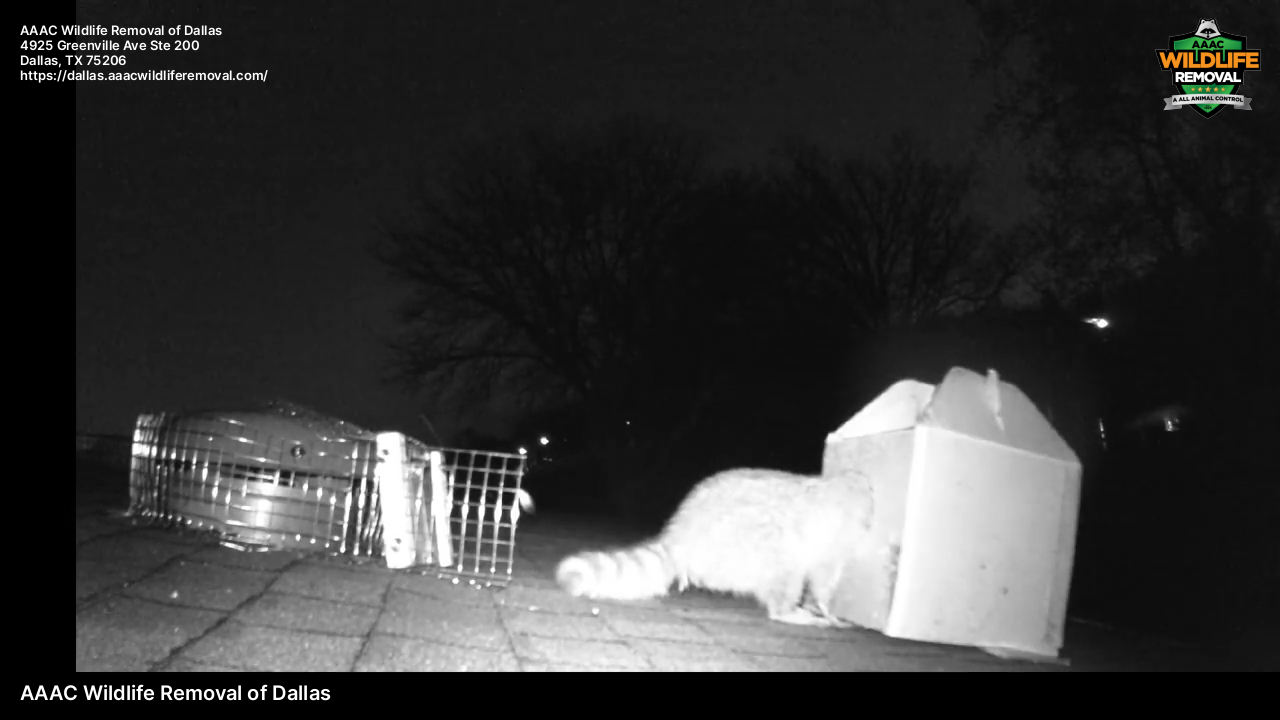
Reading the signs like a pro
When I walk up to a property, my eyes go to edges and transitions. Animals use cover and structure the way we use sidewalks. Rooflines, fence lines, and the meeting points between siding and foundation are pathways. I also scan for food and water sources. Bird feeders, uncovered compost, unsecured trash, and leaky hose bibs are common culprits.
Experience teaches you to interpret small clues. Pebbled raccoon droppings on a flat roof signal an active latrine. Light, capsule-shaped squirrel droppings in an attic often accompany acorn shells and shredded paper. Bat guano collects beneath roof vents and smears into a shiny stain where bats squeeze through. Grease marks around a hole in vinyl siding suggest raccoon or possum traffic. Skunk burrows leave a clean oval entrance about the size of a grapefruit, with a low roof and a whiff of sulfur if they have sprayed recently.
Follow the trail of damage. Chewed electrical cable tells you a rodent has been nesting. Insulation torn into fist-sized clumps suggests raccoons. Thin, even tunneling in lawn turf at the snowline shows voles. It rarely takes long to map the movements.
Species-specific patterns, risks, and timing
Good pest wildlife removal respects biology. Animals behave in predictable ways that change across the year, and your tactics should change with them.
Raccoons treat attics like den sites, especially in late winter and early spring when females prepare to whelp. Eviction fluid and harassment can move a mother to relocate her kits to a secondary den if it is early in the season, but timing matters. If the kits are immobile, you need a hands-on retrieve and reunite approach, then exclusion once the family has been relocated.
Squirrels are relentless chewers. They exploit gaps as small as an inch, especially along the eaves, and often return to the same structure generation after generation. They have two breeding peaks in many regions, late winter and late summer. Seal work is risky during those windows unless you have verified no juveniles remain inside.
Bats live under legal protection in many states and provinces, both because of their ecological value and the risk of white-nose syndrome. Their maternity colonies form in late spring and early summer. Most jurisdictions ban bat exclusion during the period when pups cannot fly. The right move is a one-way exclusion outside those dates, with careful sealing afterward. Never trap bats inside and never use poisons.
Skunks and opossums are ground-level problems. Skunks excavate under sheds, decks, and additions with shallow footings. Opossums are opportunists that will use a raccoon-sized hole or open crawlspace, and they will raid pet food bowls with gusto. Dig-proof barriers and tight door sweeps do the heavy lifting here, combined with food control.
Snakes are usually symptom animals. They move in where rodents are abundant or where there is constant moisture. Control the prey base, fix drainage or leaky plumbing, and seal foundation gaps, and you solve most snake complaints without ever catching a snake.
Birds vary. Starlings and house sparrows stuff vents with grass and twigs until they clog. Woodpeckers drum on siding to claim territory or excavate for carpenter bee larvae. Pigeons loaf on flat roofs and foul HVAC units. Fixing what draws insects into siding, installing vent covers that still allow airflow, and using deterrents on resting ledges can turn a chronic mess into a manageable one.
Health and safety are non-negotiable
Wildlife pest control carries real risks. Raccoons can carry roundworm and rabies. Bats can carry rabies, and bat guano can grow Histoplasma. Rodent droppings can carry hantavirus and leptospirosis, more of a concern in certain regions but worth taking seriously. Skunk spray is not just a smell, it can cause nausea and short-term disorientation in a closed space.
When you or a contractor clean an attic or crawlspace, treat it like a controlled environment. Wear a P100 respirator or equivalent, gloves, and disposable coveralls. Mist droppings lightly with a disinfectant to keep dust down before removal. Bag waste, do not sweep it around. Use HEPA vacuums rather than shop vacs. Ventilate and follow manufacturer dwell times for disinfectants. The extra half hour pays for itself the first time you avoid a respiratory illness.
Why poisons and shortcuts backfire
Poisons feel like an easy button. They are not. Rodenticides work on mice and rats, but misplaced bait creates secondary poisoning risks for pets and raptors that eat a dying rodent. Rodents also die in walls, creating odor problems. Worse, toxins do nothing to address the building defects that let pests inside.
For larger wildlife, poisons are often illegal and almost always counterproductive. A poisoned raccoon under a deck can mean a week of decomposition odors and a maggot bloom. A trapped mother separated from kits inside a wall will tear the place apart trying to get back, or the kits will die and rot. The cost to remediate often exceeds what a proper plan would have cost in the first place.
The professional mindset is simple: solve the reason they came, get them out humanely, and prevent reentry.
The eviction toolkit, applied with judgment
Every species has a set of tools and tactics that work when used correctly. You do not need to own everything, but you should know what a qualified wildlife removal service will bring to the job.
One-way doors and valves let animals exit but not return. For squirrels, a wire-mesh one-way device over an active hole, paired with sealing of all secondary gaps beforehand, can clear an attic in a day or two. For raccoons, a heavy-duty door at a main access point works, but you must confirm no dependent young remain inside. For bats, narrow netting or tube-style exclusion devices placed over the primary gaps let bats leave at dusk and keep them out when they return, followed by thorough sealing at the correct time of year.
Live traps still have a place, especially for skunks and ground-level raccoons. Covered traps reduce stress and spray risk. Placement and bait matter less than path. Animals prefer the route they use daily, so pre-bait an area for a day or two, then place the trap in the travel lane. If relocation is legal in your jurisdiction, release in suitable habitat far enough away to prevent homing. In many places, the law requires on-site release or euthanasia. Know the rules before you set a trap; this is one of the strongest arguments for hiring licensed wildlife control.
Harassment and aversion strategies work on a case-by-case basis. Bright, focused light in an attic, combined with a radio and scent deterrents like eviction fluid, can convince a raccoon mother with very young kits to move them. It does not work every time, and you must follow up to ensure the space is vacant before sealing. For birds, movement-based deterrents have limited effect once a nest is established; you are better off removing nests where legal, installing proper vent covers, and maintaining.
Dogs and human activity can deter coyotes and foxes from yards when combined with no-prey policies. If you feed outdoor cats, secure food and remove bowls at night. If you manage chickens, invest in real predator-proofing: hardware cloth buried in an apron, secure latches, and tight doors. A flimsy coop invites a nightly lesson in the food chain.
Exclusion: the quiet hero of wildlife control
Wildlife exclusion services turn a vulnerable home into a hardened shell that still breathes and drains. It is carpentry, masonry, roofing, and building science in one package.
Start with the roofline. Most attic incursions start with rotten fascia, loose soffits, missing drip edges, or widened gaps at the junctions where roofs meet walls. Replace rotten wood. Add a proper drip edge. Reinforce soffit returns where a roof valley drives water and animals look for entry. Use exterior-rated sealants and fasteners, not foam patches that animals can chew in minutes.
Screen vents with the right material. Window screen has no place on roof or foundation vents. Use 16-gauge galvanized steel hardware cloth or purpose-built pest-proof vent covers. Leave adequate free area so the house can breathe. A vent that cannot move air is not a fix, it is another problem.
At the foundation, address gaps at utility penetrations. Seal around HVAC lines, gas pipes, and conduit with a combination of mortar, backer rod, and a quality sealant. Where rodents have gnawed, pack copper mesh or stainless steel wool into the void before sealing. Install door sweeps that actually touch the threshold; a quarter-inch gap is an open door for mice and insects.
Decks and sheds benefit from dig-proof skirts and buried aprons. A common detail is a vertical skirt of hardware cloth attached to the framing, bent outward at the bottom to make an L, then buried so an animal hitting the vertical fence tries to dig and meets the horizontal apron. The apron robs them of leverage. Done right, this stops skunks, opossums, and young raccoons.
Inside, once animals are out, repair chewed wiring, replace urine-soaked or compressed insulation, and restore the vapor barrier. Odors that linger can attract future wildlife. I have seen raccoons return to a house years later, drawn by residual scent in neglected soffit cavities.
Landscaping and property habits that make or break results
The line between pest control and landscaping is thinner than most people think. Habitat at the property edge determines what pressures your home faces month after month.
Secure trash in lidded containers that actually latch. A 30-pound raccoon treats a loose lid like a toy. If your area mandates open recycling bins, store them in a shed and set them out close to pickup time. Do not leave pet food outside, even in a covered bowl. Bird feeders bring joy, and they bring rodents. If you keep one, use a catch tray to limit seed scatter, and place it away from the house. Expect to see more squirrels and keep that in mind when you schedule exclusion work.
Trim branches that overhang the roof by at least 6 to 8 feet where possible. Squirrels and raccoons climb, but easy highway access makes them bolder. Clear leaf litter and debris that create cover near the foundation. Address ponding water. A downspout that dumps beside the house can saturate soil, draw insects, and attract amphibians and snakes that follow.
Compost piles need lids or contained systems. Open piles are invitations. Raised garden beds benefit from tight hardware cloth beneath the soil to deter burrowing pests. If you have a persistent vole issue, swap ornamental plantings that voles love for less palatable species near the foundation and use rock mulch rather than bark, which provides cover and retains moisture at the surface.
Legal and ethical boundaries you cannot ignore
Wildlife control is governed by local and state or provincial rules. Some species enjoy full protection with defined exclusion windows, like bats during maternity season. Others have hunting or trapping seasons. Transport and relocation rules can be surprisingly strict, with limits https://telegra.ph/Raccoon-Removal-in-the-City-Managing-Nighttime-Nuisance-Safely-02-04 on distance or outright bans to prevent disease spread.
Ethics matter even when the law is silent. Using kill traps in a way that risks pets or non-target animals is irresponsible. So is sealing an attic without checking for juveniles. If you do work yourself, study the species involved, call your fish and wildlife agency with questions, and when in doubt, hire a professional.
When to call wildlife removal services
There is no prize for muscling through a dangerous job. Call licensed wildlife removal services when:
- You suspect bats, raccoons with young, or any situation involving aggressive or sick animals. The entry point sits on a steep or high roof that requires proper fall protection. You need attic remediation after heavy contamination, including insulation removal and disinfecting. Local law restricts methods or timing and you are not sure how to proceed. Prior do-it-yourself efforts failed and the animals have learned your tricks.
Pros bring more than traps. A seasoned technician will spot secondary entry points you missed, sequence the work to avoid trapping animals inside, and warranty the exclusion. Good firms pair wildlife control with repairs, so one crew handles the entire arc from eviction to final seal.
Real-world examples that illustrate the process
A lakefront home had nightly thumps above a master bedroom. The owner suspected raccoons. We found an entry at a soffit return where a roof valley dumped water over unprotected wood. Inside, torn insulation and a latrine near the access hatch confirmed raccoon use. Timing was late winter, just before typical birthing in our region. We installed a heavy one-way door over the main hole, used eviction scent to pressure the mother, and verified through thermal imaging that no kits were present. After two nights, activity ceased. We sealed secondary gaps, replaced rotten fascia, installed a proper drip edge, and screened the gable vents. We then HEPA-vacuumed droppings, disinfected, and restored insulation to proper R-value. That home has been quiet for three years.
A townhouse complex struggled with bats. Previous contractors kept sealing random gaps, then the bats found another. We scheduled work outside maternity season and performed a complete exterior survey at dusk to watch flight paths. We identified three primary exit points obscured by complex trim. We installed tube-style one-way devices at those points, then sealed every other gap larger than a pencil. After a week of clear nights with no returns, we removed devices and sealed the last openings. With vents screened and decorative voids closed, the problem did not recur.
A backyard shed stank of skunk spray after a neighbor’s dog chased the resident. The owner tried mothballs and soil sulfur, which solved nothing. We trenched and installed a hardware cloth skirt and apron around the shed, leaving a single marked gap with a one-way door. We pre-baited but never set a trap, since the skunk would leave when calm. Three nights later, tracks showed exit through the device. We closed the last gap and backfilled. The owner moved pet food storage indoors and added a lid to the compost bin.
These are not heroic feats. They are the predictable results of a steady process applied with care.
The cost calculus, spelled out
Homeowners sometimes balk at the price of professional wildlife exclusion, especially after seeing material costs at a hardware store. Labor and expertise make up the difference. A raccoon job with full roofline exclusion may run four figures, sometimes more for large or complex roofs. Attic remediation after heavy contamination can add another chunk, typically priced by square footage and the amount of insulation to remove and replace. A simple skunk eviction and dig-proof skirt is often on the lower end, unless access is tight or concrete cutting is required.
What you get for that money is a reduction in risk. Fires from chewed wires cost far more than prevention. Mold remediation after chronic leaks in a raccoon-damaged roof deck is far more painful than replacing fascia early. Insurance often does not cover wildlife damage, especially gradual damage. When I sit with clients and walk through these trade-offs, most see the value in doing it right.
Building a maintenance rhythm that keeps wildlife out
Once the heavy lifting is done, the rest is maintenance. A property that stays buttoned up is not the animal magnet it once was.
- Walk the exterior twice a year, spring and fall. Check vent covers, door sweeps, soffits, roof edges, and foundation penetrations. Keep trees pruned and gutters flowing. Water and cover draw wildlife as effectively as food. Manage food sources: latch trash, feed pets indoors, and monitor bird feeders if you use them. Watch utility bills. A sudden jump in winter can point to insulation displacement from animal activity. Treat sightings and noises as early warnings. A squirrel on the roof is normal. A squirrel disappearing into the fascia is an invitation to act quickly.
That rhythm takes less time than you think, and it keeps little issues from becoming big ones.
How pest control and wildlife control intersect
Traditional pest control focuses on insects and commensal rodents, often with recurring treatments. Wildlife control couples removal with building modification. There is overlap. If roof rats are in the attic, exclusion looks similar to squirrel work, though the mesh and details differ to account for the animal’s size and behavior. If woodpeckers are drilling for carpenter bees, an insect treatment complements bird deterrence.
The ideal relationship is collaborative. Your pest control company can keep insects in check and monitor for rodent pressure, while a wildlife control specialist hardens the structure against larger animals. The common thread is prevention. It is always cheaper and safer to keep animals out than to argue with them after they move in.
Choosing the right partner for the job
Not all service providers operate the same way. When you interview wildlife removal services, ask about inspection depth, species-specific experience, exclusion materials, and warranty. A confident company will explain sequencing: when they will install one-way devices, how they will check for juveniles, and when they will seal. They will talk openly about legal limitations for bats and other protected species. They will show you photos of your own roofline and foundation issues, not just generic examples. And they will give you a written scope that makes sense, not a vague promise to “get rid of the problem.”
Price matters, but clarity matters more. A cheap job that excludes the main hole and leaves six secondary gaps is not a bargain. A good wildlife trapper wants to solve the entire problem and make your home dull and uninteresting to animals, which is exactly what you want too.
The mindset that keeps homes safe
Nuisance wildlife management is a habit, not a one-time event. You shift the property’s appeal, respond quickly to new pressure, and back up your actions with solid repairs. You respect the animals, follow the law, and prevent avoidable harm. With that attitude, the thumps in the night stop. The attic stays clean. The garden grows without nightly raids. And your house returns to what it should be, a place for people, not a substitute for the hollow trees and caves that wildlife would use if they could.
If you handle the basics and bring in pros when the risk or complexity rises, you will spend less over time and live with fewer surprises. That is the quiet success of effective nuisance wildlife management: fewer dramas, fewer odors, and a home that stops calling to every creature that passes by.
