Homes tell stories, especially in the quiet spaces most people ignore. Attics whisper with footfalls, basements smell of damp earth, and crawlspaces carry air into the living rooms above. These areas also invite the most persistent guests: raccoons that learn latches like locksmiths, squirrels that chew with the patience of carpenters, bats that follow airflow better than any HVAC engineer, and rats that thread the gaps between building materials as if reading blueprints. Effective wildlife pest control starts with understanding how these animals think, how houses are put together, and where both systems fail.
I spend a lot of time in those hidden corners. You learn to read droppings like you’d read a weather map. You notice what builders miss, and you fix what quick-fixers make worse. Nuisance wildlife management is not just about traps and repellents. It is building science, animal behavior, and risk management rolled into one disciplined practice.
The Character of the Space Shapes the Problem
Attics are warm in winter and hot in summer, full of nesting materials and quiet. Squirrels and raccoons slip through cedar shakes, pop up through soffit returns, or lift loose ridge caps like bottle caps. Mice and rats follow plumbing chases and electrical lines. Bats squeeze into gaps the thickness of a pencil. Once inside, they do not wander randomly. Squirrels often establish runway paths along rafters. Raccoons claim a corner near the chimney mass. Bats tuck along the ridge or behind a loose gable vent screen.
Basements attract species that track moisture and food sources. Norway rats dig in from foundation plantings or settle along sill plates where foam insulation is easy to burrow. Snakes follow the rodent trail. Skunks occasionally den under stairs leading to basement doors. A basement that smells musty and has efflorescence streaks on the block wall often has the kind of air exchange that draws both insects and rodents.
Crawlspaces might be the most consequential space in the house. Air from a vented crawlspace wicks into the living area through the stack effect, so whatever is in the crawlspace ends up in your lungs. If there is a wildlife problem down there, the house tells on itself: insulation hanging like Spanish moss, muddy tracks along the vapor barrier, chewed duct insulation, droppings at beam pockets. When I slide across a crawlspace, I check joist ends for gnawing, sill plates for trails, and vent wells for pushed-in screens. There is a rhythm to it, almost like a mechanic listening to an engine.
How Wildlife Finds a Way In
Animals do not break in so much as they follow opportunity. Houses create microclimates, and animals are excellent at finding them. Gaps form where materials meet. Thermal expansion works pins loose. Squirrels learn to widen a starter hole at a fascia return. Raccoons pull at knotholes where roof decking meets a soft soffit. Bats glide along and test every seam between brick and wood until they find one that flexes.
I track entry points in categories. Structure-born openings include warped soffits, unflashed chimneys, loose ridge caps, and split rake boards. Utility penetrations include AC line sets, electrical conduits, and plumbing vents that were never sealed beyond a bead of caulk. Ground-based incursions start with settling around the foundation, especially where downspouts blow out soil and leave a tunnel-like void beside the wall. The tell is always the same: smudge marks, droppings nearby, and the kind of hair snag you only notice when your headlamp hits the angle just right.
During one January cold snap, a homeowner swore the attic noises started overnight. The soffit looked intact from the driveway. Up close, in the light, the aluminum fascia was clean, but the wood return behind it had a dog-eared corner the size of a quarter. A grey squirrel had doubled it in two days. The hole did not face outward; it faced into the corner, protected from wind and casual view. That is how squirrels think, and that is why inspections must be hands-on.
Why Noise Alone Can Mislead
Plenty of callouts start with a description of sounds. People hear “footsteps” and assume raccoon, or “scratching” and assume mouse. Patterns tell more than the sound itself. Squirrels are daylight operators. If you consistently hear activity from dawn until midmorning, and again in the late afternoon, squirrels are likely. Raccoons are heavier, slow, and mostly nocturnal, but a female with kits breaks the rules and moves any time. Rats and mice are restless at night and leave grease rubs on framing, plus distinct droppings. Bats are nearly silent on the move, though a faint chitter near ridge vents on warm evenings gives them away.
Do not treat noise as the diagnostic endpoint. Pair it with sign: droppings shape, gnaw marks, urine staining, insulation tunneling, and entry hole geometry. Bats do not chew holes. Squirrels do. Raccoons tear. Rats work edges. The job of wildlife control is to match sign to species before any intervention begins. Guess wrong and you plug the wrong hole, orphan young, or create a bigger problem elsewhere.
Health and Structural Stakes
People underestimate wildlife damage because much of it is out of sight. I have pulled bat-stained insulation that looked fine from the attic hatch but weighed twice normal from urine loading. Bats can harbor pathogens, but in homes the bigger issues are histoplasma in guano dust where present and the sheer impact on air quality. Raccoons bring parasites that must be handled with caution. Squirrels and rats chew wiring, which is not a hypothetical risk. I have seen scorch marks on a rafter where a nicked wire arced under load. Building codes require clearances and protective measures for electrical lines, but wild animals do not read codebooks.
Moisture compounds the trouble. A raccoon hole at a soffit becomes a leak path during wind-driven rain. Wet insulation loses R-value, then condensation forms on cold nails, then mold blooms on the roof deck. One incursion sets a cascade in motion. That is the quiet cost of letting a wildlife issue sit.
Humane Removal That Actually Works
When the animal is established inside, you separate two tasks: stopping entry for good and moving the animal out without causing collateral damage. Humane removal is not just an ethical choice, it is also a practical one. Animals forced into a corner tear more, and trapped mothers leave hungry young in places you cannot reach.
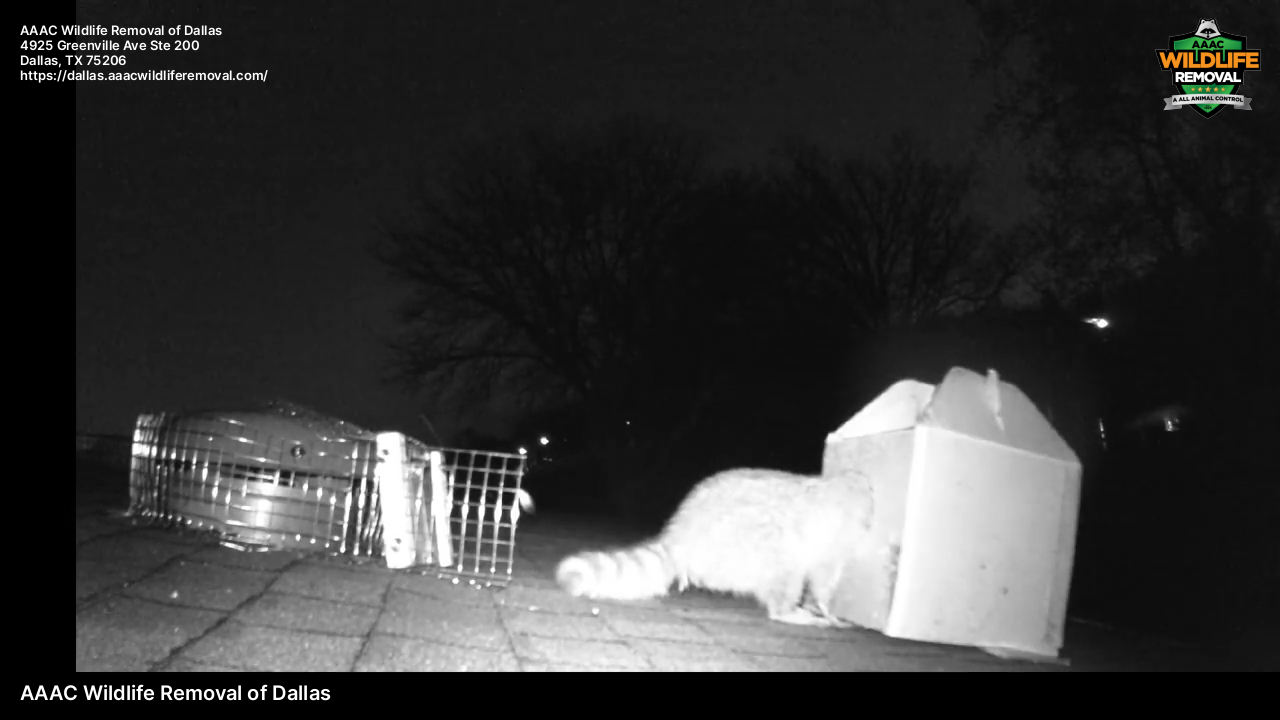
The method depends on species and season. During the spring and early summer, many attic intrusions involve a mother with young. With raccoons, I look for a den corner, often near chimney mass or the warmest part of the roof. A telltale pile of insulation, concentrated droppings, and oily rub marks on framing pinpoint it. If kits are present, they are often tucked under insulation or behind baffles. The most efficient approach uses a reunion setup: remove the kits gently into a warming box and install a one-way door at the primary entry point. The mother exits at night and retrieves the kits from the box placed nearby. This avoids ripping apart the roof to chase an animal that will fight harder the more you force it.
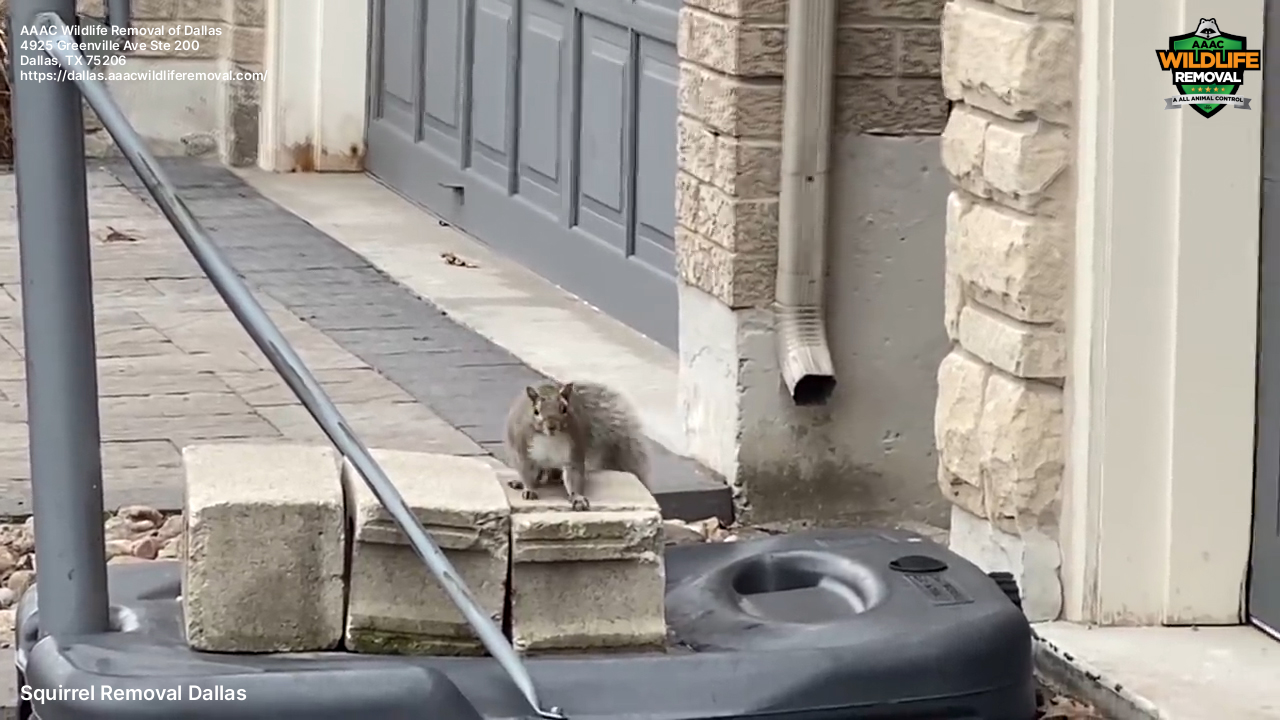
Squirrels respond well to a one-way excluder mounted over the exact hole they created, paired with hardware cloth barriers over secondary weak points. With juveniles, timing matters. If you exclude too early, juveniles inside may not be competent on a one-way door and will chew new paths. If you wait one or two weeks after you first hear juvenile chatter, they can self-evict reliably. I have seen an entire brood exit within an hour at dawn when the timing and placement are right.
Bats require a different protocol. Exclusion is the only effective tool for bat colonies in structures, and it is controlled by state rules in many places. Most regions restrict bat exclusion during maternity season, often mid-May through mid-August, to avoid trapping flightless pups inside. You map all potential exit points, install bat valves or netting that let bats drop out and not fly back in, then wait through a couple of nights. After the colony has cleared, you remove the devices and seal every crack a bat could use. Caulk alone will not hold long-term on moving joints. Good bat exclusion relies on backer rod, sealant rated for exterior movement, and in many cases, metal flashing that spans gaps without sagging.
Rats and mice call for a different mindset. Trapping and sanitation are the core, but any success is temporary if you do not close access points down to quarter-inch gaps and remove lure factors like open food storage and persistent moisture. I have watched rodent populations collapse after a thorough utility penetration sealing, dehumidification to below 50 percent RH, and consistent trapping for two weeks. It is not glamorous work, but it is measurable.
What Wildlife Exclusion Really Means
People hear “sealing the house” and picture caulk guns and foam. Foam is not a barrier to wildlife. It is an air sealant and an insulator. A squirrel will carve through a foam plug like it is dessert. Real wildlife exclusion services are carpentry, sheet metal, and mesh work done to a standard that beats teeth and paws over time.
Soffit and roof edge work often requires pulling back shingles or soffit panels, installing continuous heavy-gauge hardware cloth behind decorative vents, and then reassembling. Ridge vents with plastic end caps can flex and invite bat traffic; aluminum or steel end plugs with proper fasteners hold up. Gable vents need metal screening sandwiched behind louvers, not stapled on the face where wind and raccoons can peel it.
At the foundation, dig-proofing calls for understanding soil and water flow. A skirt of galvanized hardware cloth, at least 16 gauge with half-inch openings, secured to the structure and buried with a lip that flares outward, resists excavation by skunks and rats. Set it too tight without addressing drainage and you trap water against the house. Exclusion must never create a moisture problem. Proper grading and downspout extensions solve half the wildlife pressure because dry soil does not hold scent and does not collapse into inviting voids.

Utility penetrations benefit from escutcheon plates, mortar or hydraulic cement around masonry penetrations, and UV-stable sealants around siding. Brillo pads stuffed in a gap and covered with caulk will look sealed for a month, then welcome a rat family by fall. Use materials that match the threat: metal against teeth, structural fasteners where leverage can be applied, and flexible sealants where the house moves.
Attic-Specific Tactics that Respect the Building
Attics have two competing priorities: keep animals out and keep the roof assembly healthy. I have walked into attic spaces where a well-meaning homeowner lined ridge vents with plastic mesh and essentially turned the roof into a sweat box. Moisture rose, could not escape, and mold colonized the sheathing. Good wildlife control preserves ventilation while blocking animal ingress.
On roof edges, I favor metal drip-edge extensions that close the gap between decking and fascia, paired with metal-clad soffit returns. On older homes with decorative crown at the fascia, I pre-drill and screw on custom L-flashing tucked under the shingle edge. Gable vents get a proper back-screening of galvanized mesh fastened to framing with pan-head screws and fender washers, so the load is spread out and cannot rip free with one hard pull. Chimney gaps get sealed with flashing and mortar, not caulk. If the chimney crown is cracked, raccoons will exploit it, so a formed stainless crown and a properly secured cap protect both wildlife and water.
Once the animals are out, insulation assessment matters. Loose-fill cellulose plastered with bat guano needs removal and sanitizing. Fiberglass batts matted by raccoon traffic lose performance and harbor odor. There is no single rule for how much to replace; I test with a moisture meter, check compaction, and look for dark urine staining that indicates saturation. If more than 15 to 20 percent of an area is affected, replacement usually pays for itself in energy savings and health.
Basements and the Gravity of Moisture
In basements, rodents track the boundary between cool masonry and warmer air. Sealants alone do not keep them out if you ignore the moisture gradient drawing them in. A dehumidifier set to 45 to 50 percent RH changes the scent picture and the habitability. Sealing the rim joist with rigid foam and mastic or with cut-and-cobble plus a proper fire barrier removes the wide-open highway many rodents use. Steel wool embedded in sealant is a short-term patch. For permanence, plate the holes with sheet metal or heavy hardware cloth and screws.
I once traced a persistent rat problem to a gap behind a boiler flue where the old thimble had crumbled. The homeowner had stuffed it with foam. The colony tunneled through, warmed themselves by the flue, and treated the foam like bedding. A quick reline and a cemented thimble plate, plus cleanup and trapping, resolved activity within days. Pair physical closure with food discipline. Birdseed stored in a paper sack is an invitation. Move it to sealed plastic bins with gasketed lids. Pet food left out overnight becomes a reliable provisioning point.
Crawlspaces and the Air You Breathe
Crawlspaces tend to be forgotten, yet they influence indoor air quality more than most suspect. Wildlife intrusion here is stealthy and corrosive. Rodents nest in insulation and shred vapor barriers, skunks den under stoops, and opossums wander through looking for grubs. The job is to turn the crawlspace into a place nothing wants to live in, without creating moisture issues.
I start with ground conditions. If there is standing water, deal with drainage before anything else. Extend downspouts, regrade soil, install a sump if needed. A continuous vapor barrier with taped seams, run up foundation walls and sealed mechanically, breaks the moisture chain. Once the ground is stable, address structure: seal sill cracks with mortar or high-quality sealants and guard vents with interior-mounted metal screens. If you encapsulate the crawlspace, wildlife exclusion must be part of the design. An encapsulated, conditioned crawlspace with tight access doors and sealed penetrations naturally discourages animals. Leave a flimsy access hatch, and you pay for a system that fails at the weakest link.
HVAC ducts in crawlspaces appeal to rodents for warmth. The solution is twofold: tighten the ducts with mastic, then wrap with a durable jacket that resists gnawing. Replace any flex duct sections that show chew marks; patching flex is a false economy.
When to Call Wildlife Removal Services
DIY has limits. If you suspect bats, bring in a professional trained in bat exclusion. If you hear chittering and purring in spring from the attic corner, that is likely a maternal raccoon den. You do not want to pick that fight without training and gear. When electrical damage is involved, coordinate with an electrician. A wildlife trapper may remove the animal, but any nicked wiring needs a licensed repair. Likewise, damage near a chimney should bring a mason into the plan.
The best wildlife removal services focus on both sides of the problem: getting animals out and keeping them out. A provider who pushes poison as a first choice in a rodent-heavy urban neighborhood will likely create dead-animal odor and secondary hazards. Poison also disrupts predator-prey balance that might be working in your favor. Trapping plus exclusion, followed by sanitation, is more disciplined and measurable.
Practical Prevention That Holds Up
Prevention is not a product you buy once. It is a set of habits and a standard of maintenance. Clean gutters so water moves out and away, not into fascia where wood softens and invites chewing. Inspect the roof edge annually, especially after storms and freeze-thaw cycles. Keep tree limbs trimmed at least 8 to 10 feet off the roof edge to reduce easy runway access for squirrels. Store food, seed, and animal feed in sealed bins. Move stacked firewood off the foundation wall. Replace flimsy dryer vent covers with metal housings and proper bird-exclusion screens that do not restrict airflow.
The control piece matters too. In some neighborhoods, rats pressure every property. You can be perfect at your own home and still see new visitors if a neighbor is under renovation. That is where routine monitoring earns its keep. I like tamper-resistant exterior stations paired with snap traps inside strategic places like utility rooms and mechanical closets, checked on a schedule. Evidence should trend downward within a week or two. If it does not, you missed an entry point or a food source.
Why Quick Fixes Fail and What Professional Standards Look Like
Foam over everything, toss a few traps, and hope. That approach fails for predictable reasons. Foam is not structure. Traps are not strategy. Hope is not a plan. Professional wildlife control follows a sequence: inspection that touches every plane of the building envelope, identification of species and life stage, ethical removal tailored to behavior, structural exclusion using materials stronger than the threat, sanitation that removes odor cues, and verification. If you see a quote that skips straight to trapping without a plan for exclusion, expect to repeat the problem.
Quality wildlife exclusion services provide documentation: photos of entry points, materials used, and locations sealed. They explain why a half-inch hardware cloth was chosen over quarter-inch, why a bat valve must be left in place for a defined window, or why a soffit rebuild is necessary rather than https://edwinqjdp169.almoheet-travel.com/top-questions-to-ask-your-wildlife-removal-services-company an overlay patch. They talk about pressure differentials, ridge vent designs, and the difference between air sealing and animal sealing. That level of detail is not fluff. It is your assurance that the fix respects the house as a system and the animals as determined, capable adversaries.
Costs, Lifespan, and the Value of Doing It Right
Prices vary with region and scope, but some ballparks help. A simple squirrel exclusion from a single soffit hole with a one-way door and targeted sealing tends to land in the low hundreds to low thousands depending on roof pitch and access. Bat exclusions scale with the number of linear feet of potential entry and the need for lift equipment, often running into the several thousands for a full perimeter on a two-story home. Raccoon maternal den work includes time for kit retrieval and setup and can climb quickly if repairs require roofing or masonry.
It is tempting to cheap out with repellents and noise makers. They sometimes buy a day or two, rarely more. Animals habituate fast. The best money you spend goes into permanent materials on the edges where buildings leak heat and hold scent. Exclusion has a long lifespan when metal meets wood with proper fasteners, when sealants move with the joint, and when ventilation remains intact so moisture does not rot your repairs from within. I have revisited ridge vent bat jobs a decade later, and the metal end plugs still look factory.
A Short, Solid Homeowner Routine
- Walk the exterior twice a year, spring and fall, and after major storms. Look closely at soffits, ridge ends, gable vents, and where utilities enter. Keep gutters clear and downspouts extended at least 6 feet from the foundation. Dry soil cuts wildlife interest and protects your structure. Store seed, pet food, and bird suet in sealed, gasketed containers. Feed birds away from the house or pause feeding during heavy rodent pressure. Trim tree branches clear of the roof by 8 to 10 feet where possible, and remove ivy or vines from siding and brick that provide ladders. If you hear or see signs, document with photos and call a qualified wildlife control provider before the animal establishes a routine.
The Balance Between Home and Habitat
We build warm, dry boxes in landscapes shared with animals that want the same thing. Wildlife control is not a war on nature. It is a negotiation backed by good materials and an understanding of behavior. When you close a hole, you are telling a persistent animal that this structure offers no return on investment. When you ventilate and dry a crawlspace, you remove the microclimate that made it attractive. When you handle a maternity den with care, you protect both the animal family and your roof.
The best outcomes come when homeowners, contractors, and wildlife removal services work from the same playbook. Inspect with intention. Identify with evidence. Remove humanely. Exclude with permanence. Sanitize so odor does not call the next visitor. Then maintain the edges of the house the way you maintain the mechanicals. That is wildlife control that lasts.
A final note on perspective. Not every sound in an attic is a crisis, and not every animal in a crawlspace is a villain. Yet the costs add up quickly when you wait. If you hear faint rustling at dusk for two nights in a row, do not shrug. Put on the headlamp, or call someone who will. The earlier you act, the less you spend, and the better the odds that wildlife goes back to the outdoors where it belongs.
A home kept tight against intrusion breathes better, wastes less energy, and stays healthier for the people inside. Good nuisance wildlife management is just good stewardship of the structure. It is pest control with a carpenter’s eye and a naturalist’s patience. It is repair work that respects the animal’s skill and uses that respect to build a lasting, quiet house.